How Coverage Foreign Inheritance to IRS Works: Secret Insights and Standards for Tax Obligation Reporting
Navigating the complexities of reporting foreign inheritance to the IRS can be tough. There specify thresholds and types that individuals must comprehend to guarantee conformity. As an example, inheritances surpassing $100,000 from non-resident aliens call for specific focus. Failure to comply with these standards may bring about charges. Understanding the subtleties of tax ramifications and essential documentation is crucial. The following areas will certainly describe essential insights and standards for reliable tax reporting.
Recognizing Foreign Inheritance and Its Tax Obligation Implications
It is essential for them to understand the connected tax obligation effects when individuals receive an inheritance from abroad. In the USA, inherited possessions are normally exempt to revenue tax, but the estate from which the inheritance comes might have details tax obligation obligations. Foreign inheritances can complicate issues, as various nations have differing laws relating to estate tax obligations. Individuals must know that while they may not owe taxes on the inheritance itself, they might be in charge of reporting the value of the international property to the Internal Earnings Solution (INTERNAL REVENUE SERVICE) In addition, money exchange prices and valuation methods can influence the reported worth of the inheritance. Understanding these facets is critical to avoid unexpected tax responsibilities. Seeking guidance from a tax obligation specialist experienced in worldwide inheritance regulations can offer clarity and assurance compliance with both U.S. and foreign tax requirements.

Coverage Demands for Inherited Foreign Properties
The reporting demands for inherited foreign assets involve certain thresholds and limits that taxpayers should understand. Conformity with IRS laws requires the proper tax return and awareness of possible charges for failing to report. Recognizing these aspects is essential for people receiving foreign inheritances to prevent lawful complications.
Reporting Thresholds and Limits
While going across the intricacies of inherited foreign assets, comprehending the reporting limitations and thresholds set by the IRS is vital for compliance. The IRS mandates that united state taxpayers report foreign inheritances exceeding $100,000 from foreign estates or non-resident aliens. This restriction applies to the total worth of the inheritance, including all assets obtained, such as money, genuine estate, and investments. Furthermore, any kind of foreign financial accounts completing over $10,000 need to be reported on the Foreign Financial Institution Account Report (FBAR) Failing to follow these limits can cause substantial penalties. It is vital for taxpayers to precisely examine the value of acquired international possessions to ensure timely and certified reporting to the IRS
Tax Obligation Types Introduction
Penalties for Non-Compliance
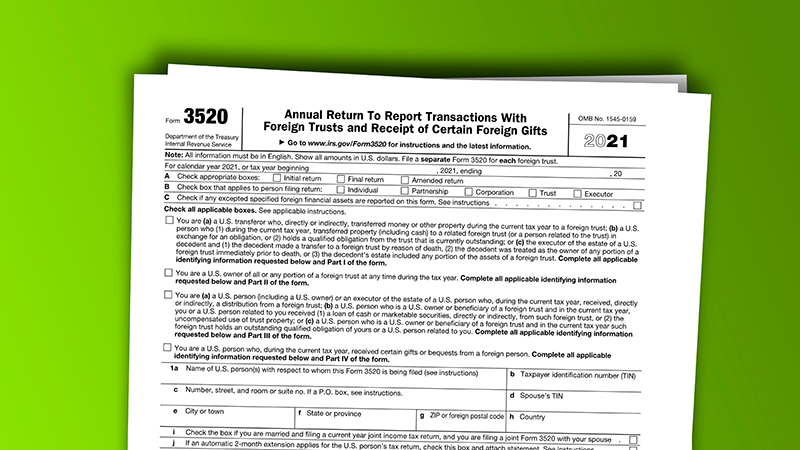
Failing to comply with reporting demands for inherited foreign assets can cause considerable fines for U.S. taxpayers. The IRS imposes stringent guidelines relating to the disclosure of international inheritances, and failings can bring about penalties that are often considerable. As an example, taxpayers might encounter a charge of up to $10,000 for falling short to file Form 3520, which reports foreign presents and inheritances surpassing $100,000. Additionally, proceeded non-compliance can intensify charges, potentially reaching up to 35% of the worth of the inherited property. Failing to report can also cause more extreme effects, consisting of criminal costs for unyielding neglect. Taxpayers should continue to be attentive to stay clear of these repercussions by making certain accurate and timely coverage of foreign inheritances.
Key Forms and Documents Needed
When a specific obtains an international inheritance, it is important to recognize the vital kinds and documents required for compliance with IRS regulations. The key form needed is the IRS Kind 3520, which have to be filed to report the receipt of the foreign inheritance. This form offers thorough information about the inheritance, including the identity of the international decedent and the value of the acquired possessions.
Furthermore, if the inherited residential or commercial property includes foreign savings account or various other financial properties, the person may need to read here submit the Foreign Bank Account Record (FBAR), FinCEN Form 114, if the overall worth surpasses $10,000. Appropriate paperwork, such as the will or estate papers from the international territory, should also be collected to substantiate the inheritance claim. Keeping detailed documents of all purchases and interactions associated with the inheritance is vital for exact coverage and compliance with IRS needs.
Tax obligation Treaties and Their Influence On Inheritance Tax Obligation

Comprehending the effects of tax treaties is crucial for individuals obtaining international inheritances, as these arrangements can considerably impact the tax obligation obligations associated with acquired possessions. foreign gift tax reporting requirements. Tax obligation treaties between countries commonly supply details standards on just how inheritances are strained, which can lead to lowered tax responsibilities or exemptions. As an example, a treaty might state that certain types of inheritances are exempt to tax in the recipient's nation, or it may allow for debts against taxes paid abroad
People should familiarize themselves with the particular stipulations of relevant treaties, as they can differ considerably. This knowledge assists guarantee conformity with tax regulations while making the most of prospective benefits. In addition, comprehending exactly how treaties interact with domestic legislations is important to precisely report foreign inheritances to the IRS. Seeking advice from with a tax expert well-versed in global tax obligation law may be recommended to browse these complicated policies properly.
Typical Mistakes to Prevent When Reporting Inheritance
Many individuals think they can quickly navigate the complexities of reporting foreign inheritances, they frequently ignore critical details that can lead to considerable mistakes. One common blunder is failing to report the inheritance in the appropriate tax obligation year, which can lead to charges. Additionally, some individuals disregard to transform foreign possessions into U.S. bucks at the suitable currency exchange rate, consequently misrepresenting their worth. An additional regular oversight includes misconstruing the reporting limits; people may presume they do not need to report if the inheritance is listed below a certain quantity, which is imprecise. Misclassifying the type of inheritance-- such as treating a present as an inheritance-- can make complex reporting responsibilities. Ultimately, people frequently fail to maintain extensive documents, which is essential for staying clear of and verifying insurance claims audits. Awareness of these mistakes can considerably boost conformity and lower the danger of monetary effects.
Looking For Professional Aid for Complicated Situations
Steering the ins and outs of reporting international inheritances can be intimidating, particularly for those with complicated economic circumstances. Individuals dealing with concerns such as multiple international possessions, differing tax ramifications across jurisdictions, or detailed household characteristics might benefit from expert assistance. Tax obligation experts focusing on global tax obligation regulation can provide invaluable insights right into the nuances of IRS regulations, guaranteeing conformity while lessening possible obligations.
Involving a state-licensed accountant (CERTIFIED PUBLIC ACCOUNTANT) or tax obligation attorney with experience in international inheritance can help make clear coverage requirements, identify appropriate exceptions, and plan ideal tax obligation techniques. They can aid in finishing necessary kinds, such as Kind 3520, and managing any type of extra disclosure needs.
Inevitably, seeking professional support can reduce tension and enhance understanding, permitting individuals to concentrate on the emotional elements of inheritance instead of ending i was reading this up being overwhelmed by tax complexities. This proactive approach can result in much more beneficial results over time.
Often Asked Inquiries
Do I Need to Report Foreign Inheritance if I'm Not an U.S. Citizen?
Non-U.S. citizens usually do not need to report international inheritances to the IRS unless they have specific links to united state tax obligation laws. It's recommended to get in touch with a tax obligation expert to clear up private circumstances.
Exist Charges for Failing to Record Foreign Inheritance?
Yes, there are penalties for failing to report foreign inheritance. Individuals might deal with considerable fines, and the IRS could impose added effects for non-compliance, possibly impacting future tax filings and financial condition.
Can I Subtract Expenses Connected To Managing Inherited Foreign Properties?
Costs connected to taking care of inherited foreign assets are generally not deductible for tax functions. Nonetheless, people must speak with a tax obligation specialist Visit Your URL for support tailored to their details circumstances and prospective exemptions that might apply.
Exactly How Does Foreign Currency Impact the Value of My Inheritance Report?
International money changes can significantly impact the reported value of an inheritance. When converting to united state bucks, the currency exchange rate at the time of inheritance and reporting determines the final reported value for tax purposes
What Happens if My International Inheritance Is Kept In a Trust fund?
It might complicate reporting needs if an international inheritance is held in a count on. The trust fund's structure and tax obligation effects should be evaluated, as recipients can deal with varying tax obligation obligations based upon jurisdiction and depend on type.
The IRS mandates that United state taxpayers report international inheritances going beyond $100,000 from foreign estates or non-resident aliens. Furthermore, any kind of international economic accounts completing over $10,000 must be reported on the Foreign Bank Account Report (FBAR) People inheriting foreign properties need to typically report these on Form 8938 (Statement of Specified Foreign Financial Properties), if the overall value exceeds certain limits. Depending on the nature of the inheritance, other types such as Kind 3520 (Yearly Return To Report Purchases With Foreign Trusts and Invoice of Specific International Gifts) might also be essential. Furthermore, if the inherited home includes international financial institution accounts or other financial properties, the individual might require to submit the Foreign Bank Account Report (FBAR), FinCEN Type 114, if the total value goes beyond $10,000.
Comments on “Reporting foreign inheritance to IRS: what every taxpayer should know”